Fabricated citations have increased dramatically recently and have sparked debates about how to address this problem within scholarly publishing. When these citations are discovered, those articles frequently get retracted. However, there is a time lag. So what’s a librarian to do? How can we keep retracted articles out of our literature searches?
At this year’s MLA conference, I learned about a strategy in a paper session entitled Identifying Retractions in Systematic Review Searching by Caitlin J. Bakker et al. In their presentation, the authors describe a multistep process to identify retracted papers using the citation manager Zotero and the LibKey Nomad browser extension paired with Covidence, the systematic review screening software.
Zotero has a built-in feature which automatically flags retracted articles at the item level using data from Retraction Watch. The presenters recommend running your searches and importing citations first into Zotero, followed by Covidence during title/abstract screening. They use this process first at the outset; again prior to data extraction; and finally, before submitting manuscripts for publication. For evidence synthesis review teams, adding these steps can contribute to the quality and reliability of the research, while also protecting the work of the team.
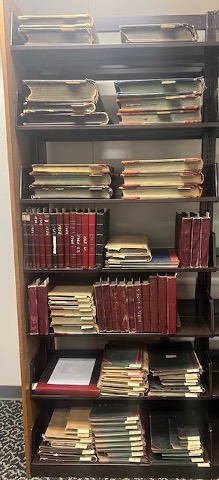
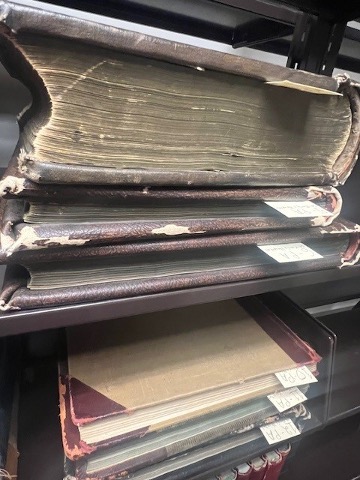
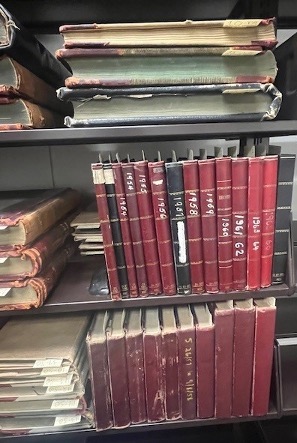
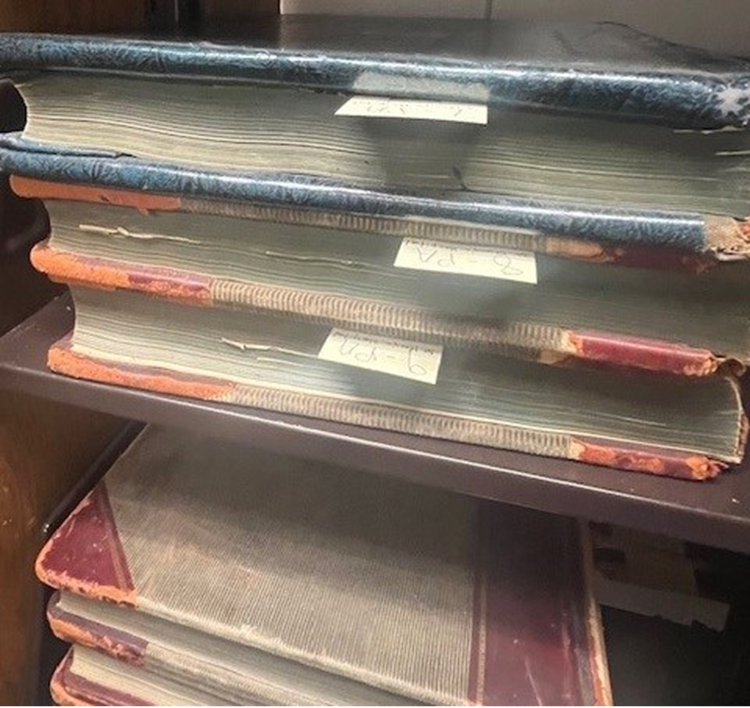
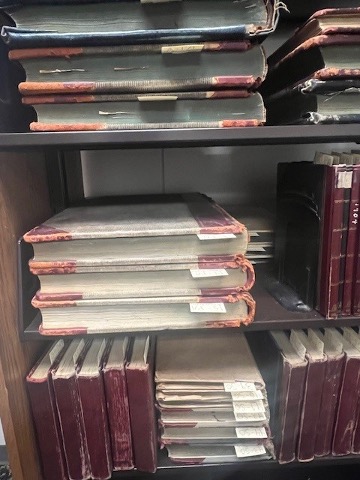
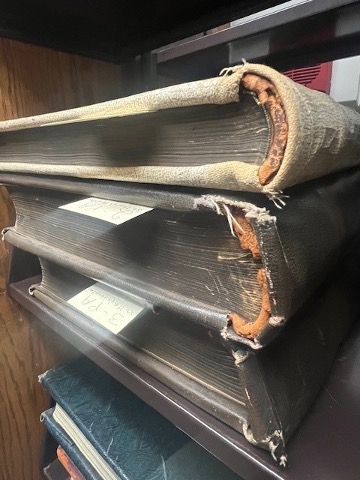
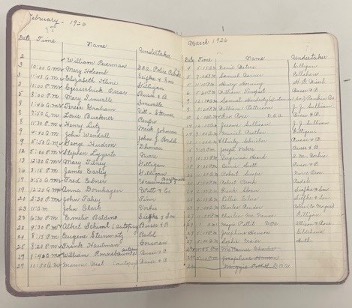
The Saint Mary’s Hospital Collection consists of ninety-three ledgers of hospital information about patient admissions, patients of German heritage, births, surgical operations, intensive care unit patients, deaths, physicians in Cincinnati, Ohio, and information about a tuberculosis outbreak in New York, New York. The hospital was founded in 1858-1859 in Cincinnati, Ohio by the Franciscan Sisters of the Poor. The archives date from 1884 to 1977.
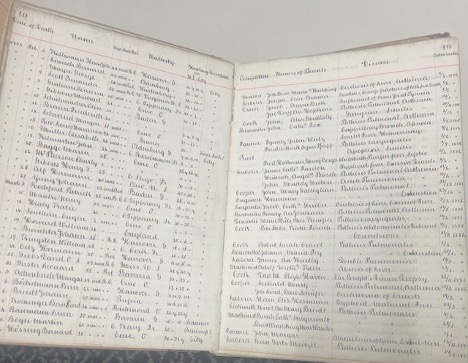
The ninety-three ledgers lists patient names, date of admittance, age, civil status, religion, birthplace, length of residency in the United States and in the City of Cincinnati, occupation, father’s name, mother’s surname prior to marriage, residence address, diagnosis, physician names, discharge date, location and the number of days in Saint Mary’s Hospital, and the patient’s condition upon discharge.The collection is arranged in thirteen series.
Series I.: Patient admissions of the St. Mary’s Hospital in Cincinnati, Ohio, 1880—1970. Twenty-nine ledgers.
Series II.: German patient admissions of the St. Mary’s Hospital in Cincinnati, Ohio, 1865—1879. Restricted due to fragility. Two ledgers.
Series III.: Patient re-admissions of the St. Mary’s Hospital in Cincinnati, Ohio, 1950—1960. Two ledgers.
Series IV.: Delivery Room Births of the St. Mary’s Hospital in Cincinnati, Ohio, 1942—1960. Five ledgers.
Series V.: Surgical Operations of the St. Mary’s Hospital in Cincinnati, Ohio, 1913—1966. Seventeen ledgers.
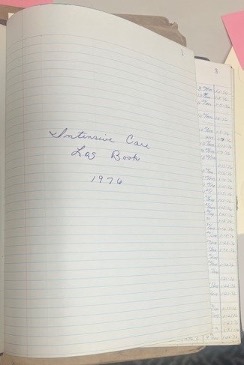
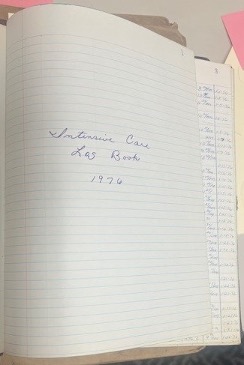
Series VI: Intensive Care Unit Patients of the St. Mary’s Hospital in Cincinnati, Ohio, 1976. One ledger.
Series VII.: Recovery Room Patients of the St. Mary’s Hospital in Cincinnati, Ohio, 1974. One ledger.
Series VIII.: Patient Case Histories of the St. Mary’s Hospital in Cincinnati, Ohio, 1898—1920. Three ledgers.
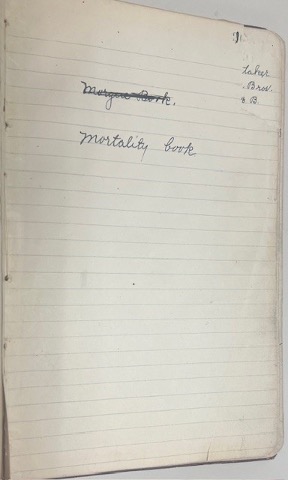
Series IX.: Patient Deaths of the St. Mary’s Hospital in Cincinnati, Ohio, 1880—1971. Ten ledgers.
Series X.: Patient’s Physicians’ records of the St. Mary’s Hospital in Cincinnati, Ohio, 1885—1922. Six ledgers.
Series XI.: Doctor’s Books of the St. Mary’s Hospital in Cincinnati, Ohio, 1947—1972. Nine ledgers.
Series XII.: Patient Registry ledgers of the St. Mary’s Hospital in Cincinnati, Ohio, 1940—1971. Seven ledgers.
Series XIII.: Patients diagnosed with tuberculosis in New York, New York, 1959—1961. One ledger.
Saint Mary’s Hospital in Cincinnati was a historic medical institution established on Betts and Linn Streets in 1858–1859 by the Sisters of the Poor of Saint Francis. Designed by architect Anthony Bley, the hospital served thousands of Cincinnati’s impoverished and German citizens. With a capacity of 325 hospital beds, Saint Mary’s Hospital treated over 2,000 patients each year. The hospital was enlarged in 1860 and again in 1875.
Saint Mary’s Hospital was well-known as an important facility for emergency cases and taking care of the medical needs of Cincinnati’s West End neighborhood. Saint Mary’s was supported by the contributions of the public and the Archdiocese of Cincinnati. The historic hospital closed on May 1, 1971. The Sisters of the Poor of Saint Francis also shaped other healthcare organizations in the Cincinnati region, including what is now Mercy Health. The Saint Mary’s Hospital Collection may be useful for research in genealogy and the social and medical history of Cincinnati in the late nineteenth century.
The Saint Mary’s Hospital Collection is available for research by appointment at the Henry R. Winkler Center for the History of the Health Professions located in the Health Sciences Library on the University of Cincinnati east campus. https://findingaids.libraries.uc.edu/repositories/4/resources/1075
Looking for ways to get more involved with CAHSLA? Need service for RPT or AHIP? The CAHSLA Program Committee is a great way to get involved and contribute to the group whether you are a new or long-standing member.
Bylaws/Procedure Review Committee
Love bylaws? What about procedures? Then this is the committee for you! We are overdue to review and recertify our bylaws and procedures. This would be a great opportunity for a new member to learn more about the CAHSLA structure without running for Exec Committee.
If you are interested in either opportunity, please contact Matthew Cooper at Children’s or Emily Kean.
Held in Pittsburgh, Pennsylvania from April 30 – May 2, the annual Medical Library Association conference was great as always, despite having to make some last mintue pivots due to travel restrictions for employees of the NIH. One major pivot was having to find a replacement for our chosen main speaker. The planning committee asked a group of medical students from StreetMedicine@Pitt to fill in, and they shared their experiences about the “student-run interdisciplinary organization that strives to bring healthcare and social support to the rough-sleeping and unhoused community in Pittsburgh.” Hearing the students describe the Street Medicine team was very inspiring as they shared stories about the rounds they make every Wednesday and the connections they make with the community.
From the sessions I chose to attend, three major themes emerged: systematic review services and support; AI impact and ethical concerns; and inclusive hiring practices and onboarding. One interesting place two of the themes overlapped was in a paper session called “Anything You Can Do, AI Can Do Better… or Can It? Comparing ChatGPT’s Search Strategy Outputs with Cochrane Review Searches” presented by a group of librarians from UNC Chapel Hill. The librarians studied ChatGPT’s current capabilities to produce comprehensive searches for systematic reviews. They compared human created searches to GenAI produced searches, using nine published Cochrane reviews for the comparisons. They did find a few pros but many cons to using ChatGPT to produce comprehensive searches. The pros: it was a bit of a time saver, and there were very few errors with syntax and logic. Cons included: fake MeSH terms, duplicative and lengthy keyword search phrases, lower recall than human searches, inability to reliably access and replicate validated filters, and high variability of results based on models and prompts. Their research confirms what I have seen using GenAI in research – it can be helpful to give broad outlines or to get started on a project, but human intervention is still necessary. The full slide presentation is available online.
Many sessions surrounding AI were focused on (or at least touched on) ethical issues and environmental impact of Generative AI. It was clear that many librarians are very concerned about the use of AI. One librarian, calling herself A Librarian Against AI, shared a zine she created that covers many of these issues. In a separate presentation, one librarian gave tips to help mitigate the environmental impact of AI use, such as: utilizing AI tools to fit the task, like pre-trained small models for simpler tasks; using efficient prompting; and avoiding generating unnecessary images. This one especially hit me – I learned that image generation uses three times the energy of a GenAI text inference, which already requires a lot of energy.
I truly enjoy attending the annual MLA conference, this was the third year I’ve gone. I learn so much as a health sciences librarian and have fun networking. Finding people who also nerd out about systematic reviews is always a great time. And, I like to treat myself to local food. If you are in Pittsburgh in the near future, I highly recommend Bar Marco. MLA 2026 will be in Milwaukee, and I’ll certainly be attending!
Submitted by Lynn Warner, University of Cincinnati
Late on Friday, March 14, President Trump issued an executive order attempting to dismantle the only federal agency dedicated to funding library services, the Institute of Museum and Library Services (IMLS). Millions of people rely every day on library services and programs supported by IMLS. Now we need YOU to show up for our libraries.
If you are so inclined, the ALA has provided a convenient online form to contact your representatives about the proposed cuts to IMLS.
In late February, Clarivate (parent company of ProQuest and eBook Central, among others) announced a transition away from offering one-time perpetual licenses for its ebooks and digital collections in favor of a new subscription-based content access strategy. Library Journal has been providing extensive coverage since the initial announcement.
The displeased reaction from the library community has been swift, resulting in Clarivate announcing an extensive of the original timeline, again covered by Library Journal.
For a thoughtful and comprehensive response from a librarian, Siobhan Haimé’s (University of London) opinion piece is highly recommended reading.
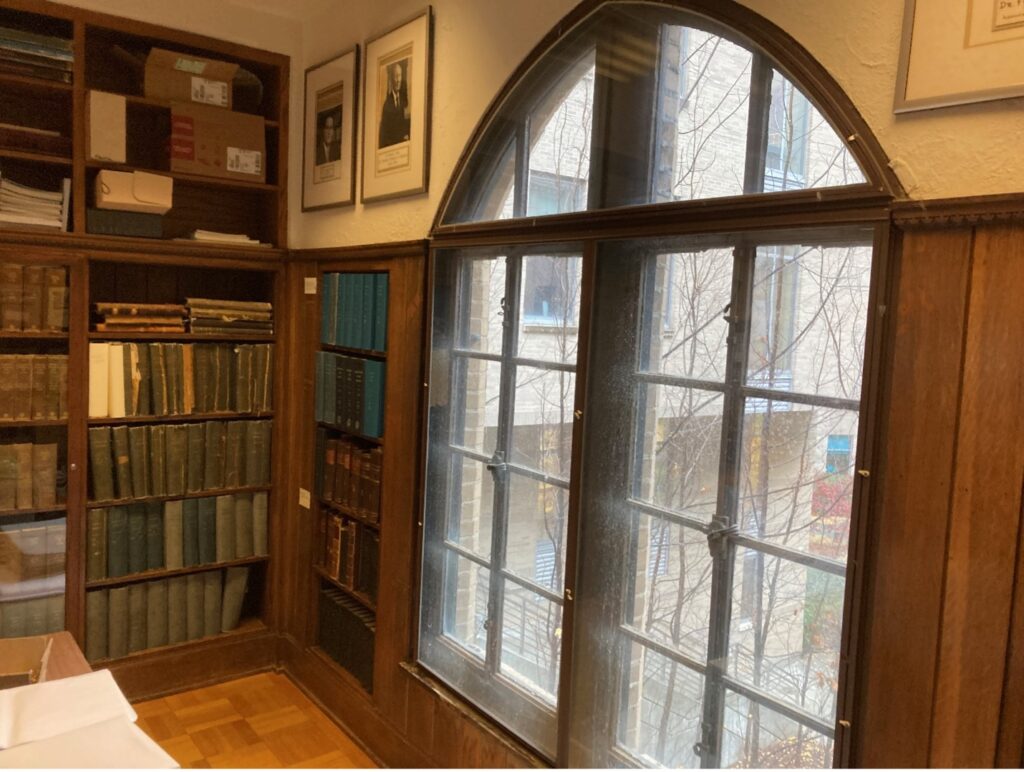
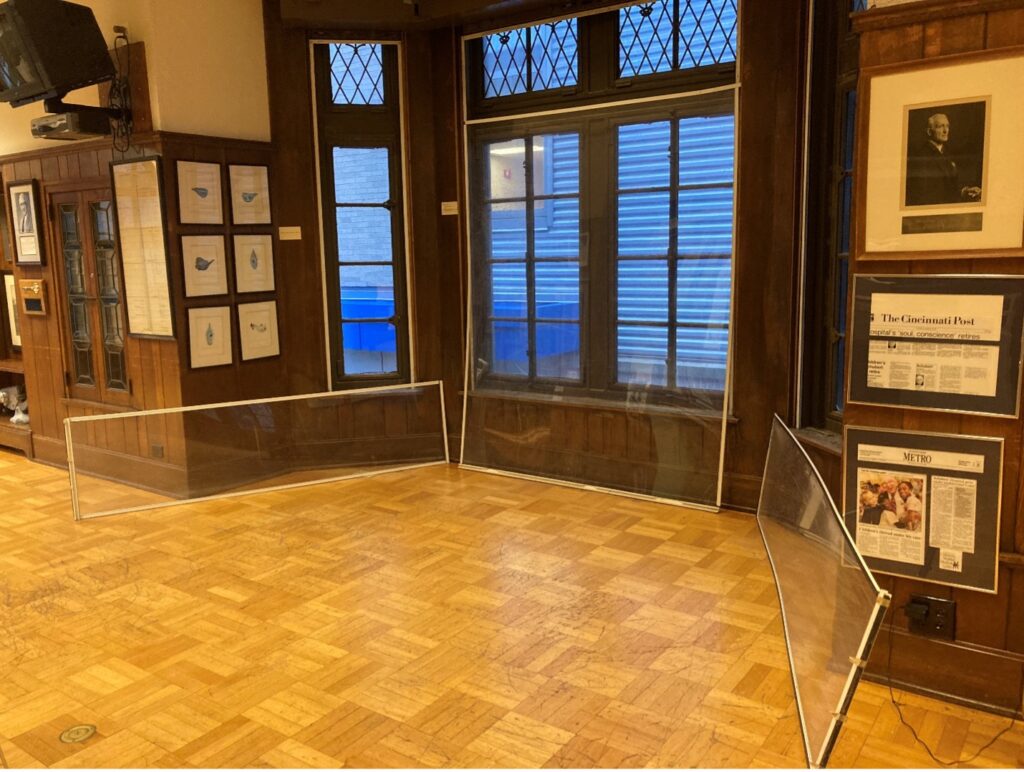
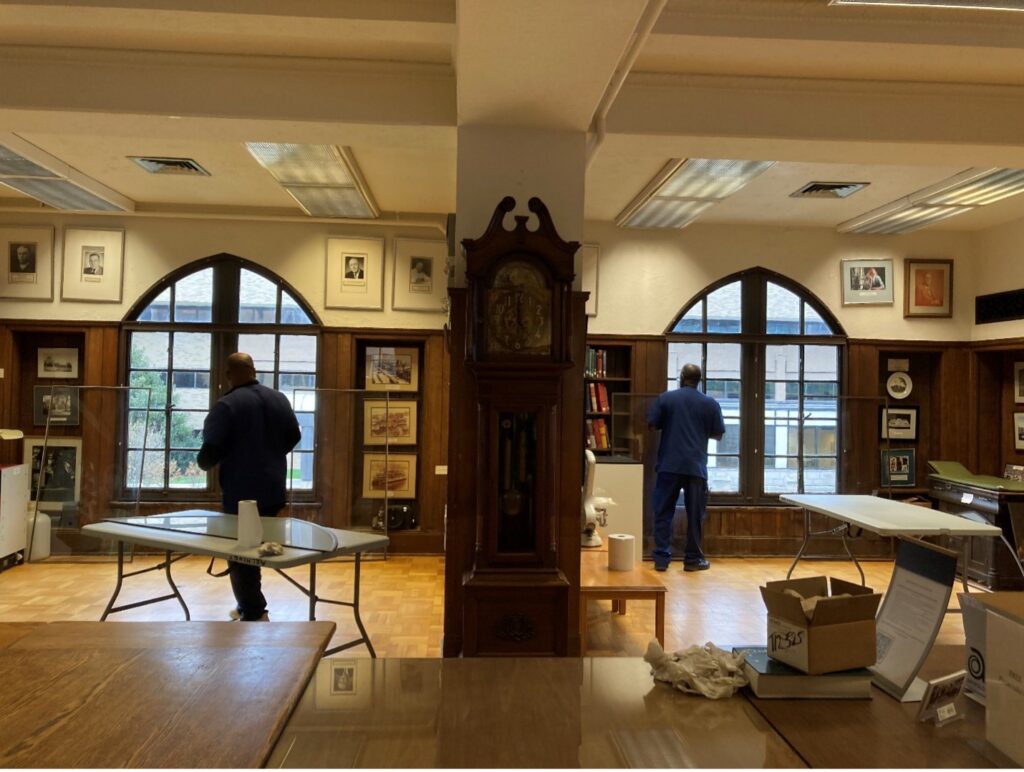
In November 2024, Cincinnati Children’s Mitchell-Nelson History Library, Archives and Museum (MNHLAM) had much needed UV film applied on the library windows.
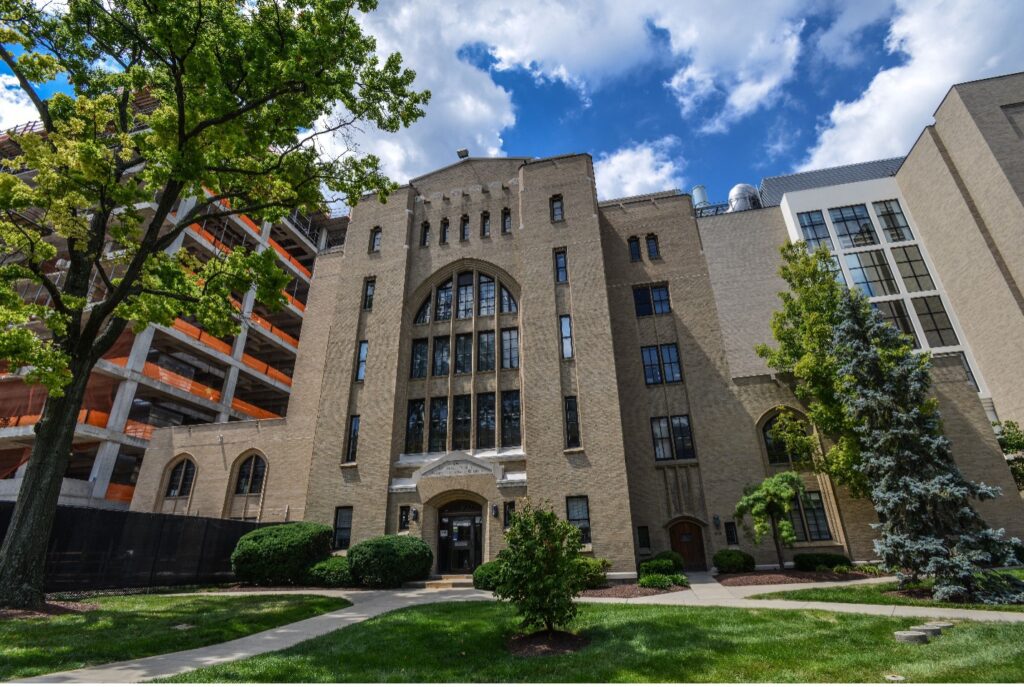
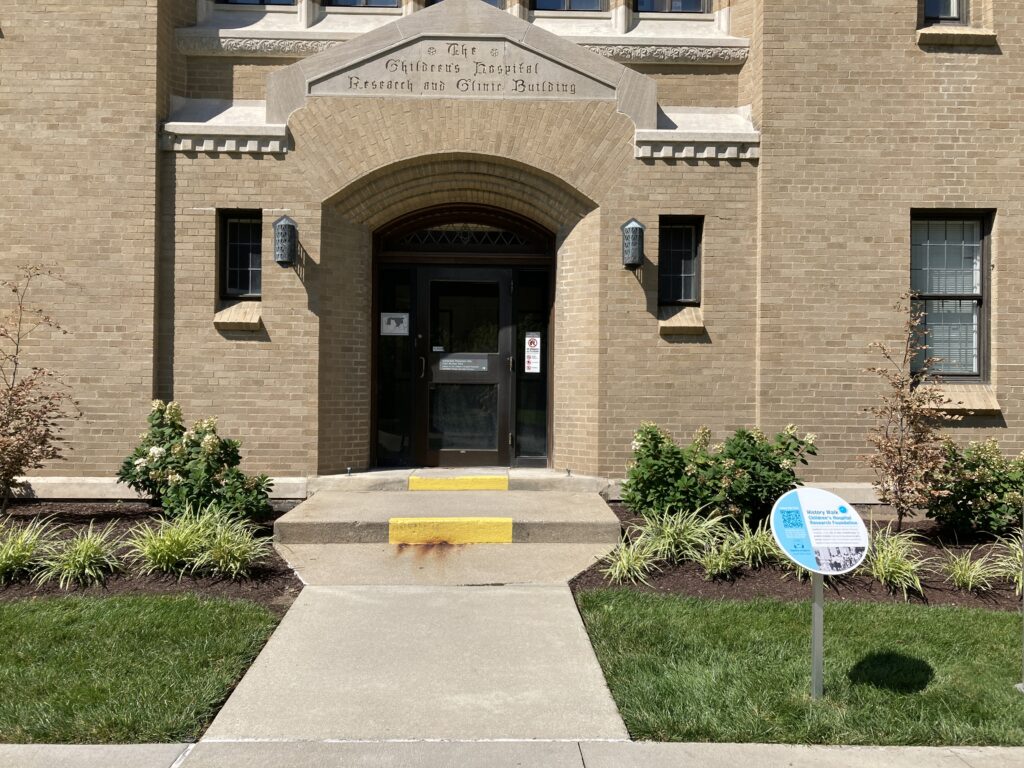
The MNHLAM is in the Children’s Hospital Research Foundation and Clinic Building’s original Research Foundation Library, that opened in 1931 and is the last of the original Burnet campus. The building and the foundation exist due to the generous donation from William Cooper Procter who announced on January 4th, 1928 a $2.5 million gift to construct and endow the Children’s Hospital Research Foundation.
Fun fact: Louise Sias, who received library training at the University of Wisconsin in 1915-1916 became the first librarian in the late 1930’s after working at the Henry Ford Hospital library. Sias worked at CCHMC for 30 years, building the library from scratch.
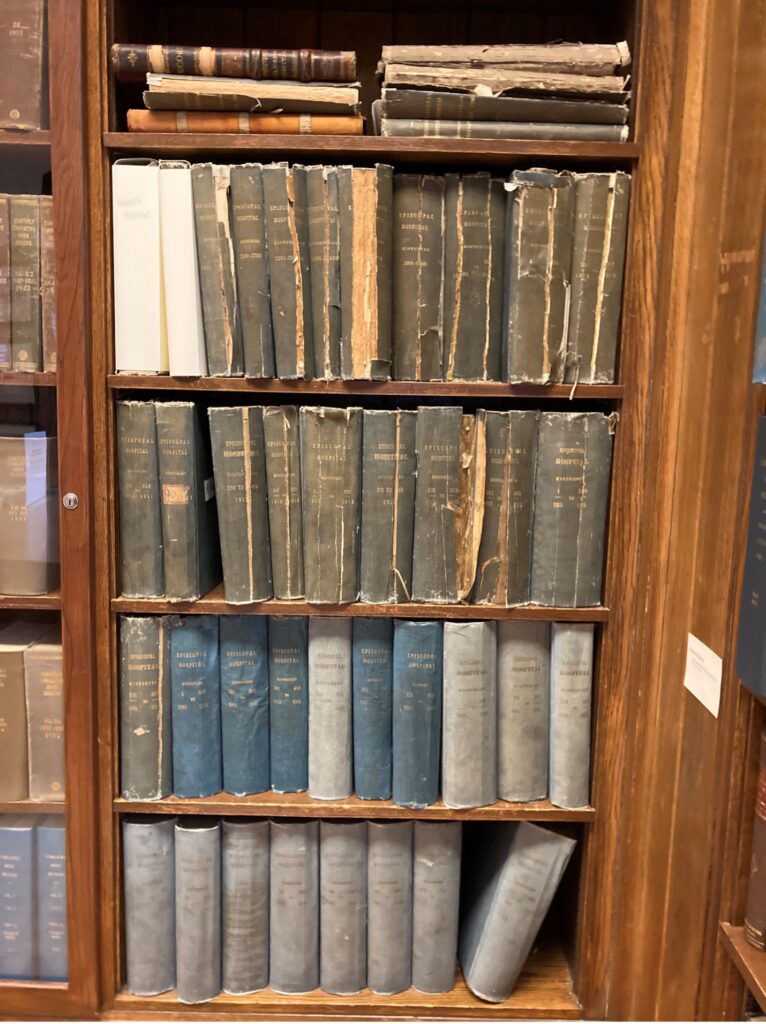
While long term damage from the sun’s UV rays have done considerable damage to the bindings of our early patient histoires, the goal of the UV film is to slow the deterioration of all the artifacts and bound volumes currently stored in the space.
Funding for the UV film was generously provided by the Co-operative Society, the Hospital’s oldest philanthropic organization. The Co-operative Society, founded in January 1884, has given more than $14 million to various programs at the medical center, including the Mayerson Center for Safe and Healthy Children, the International Adoption Center and our Pediatric Primary Care Clinics. Additionally, members give generously of their time. They volunteer in an on-site sewing room where dedicated stitchers create children’s clothing, blankets and quilts for beds and cribs, toys for use by the Division of Child Life, soft helmets for patients with neurological disorders and teaching tools used by the nursing staff. They also brighten the medical center by decorating lobbies and public spaces for the holidays.
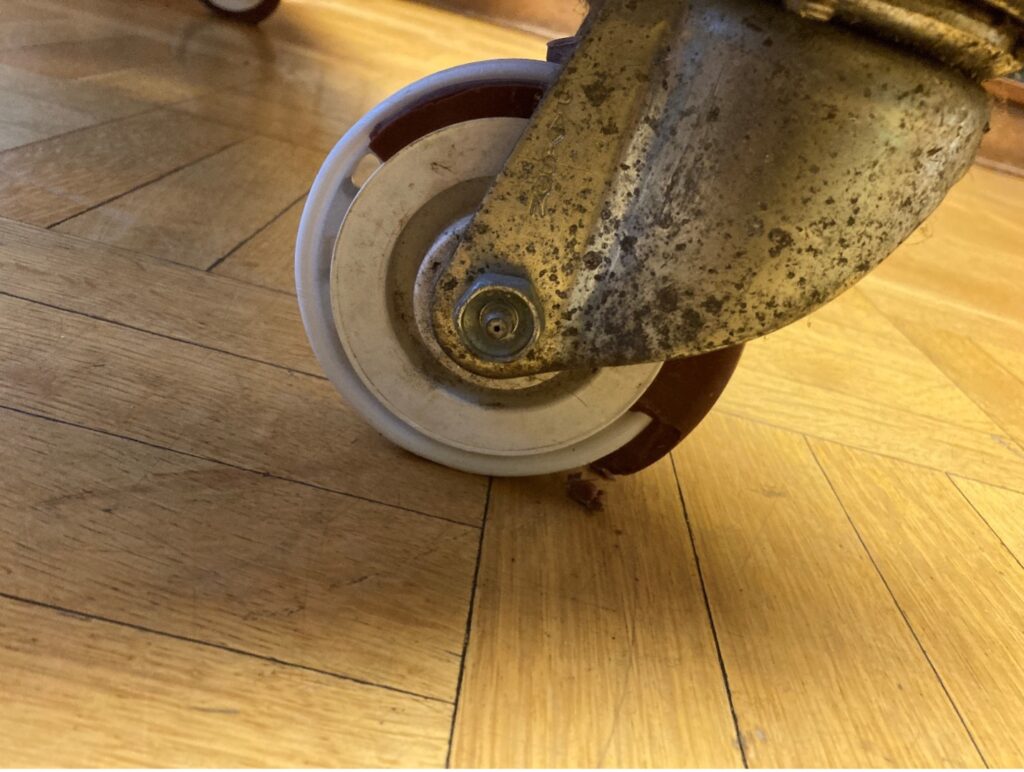
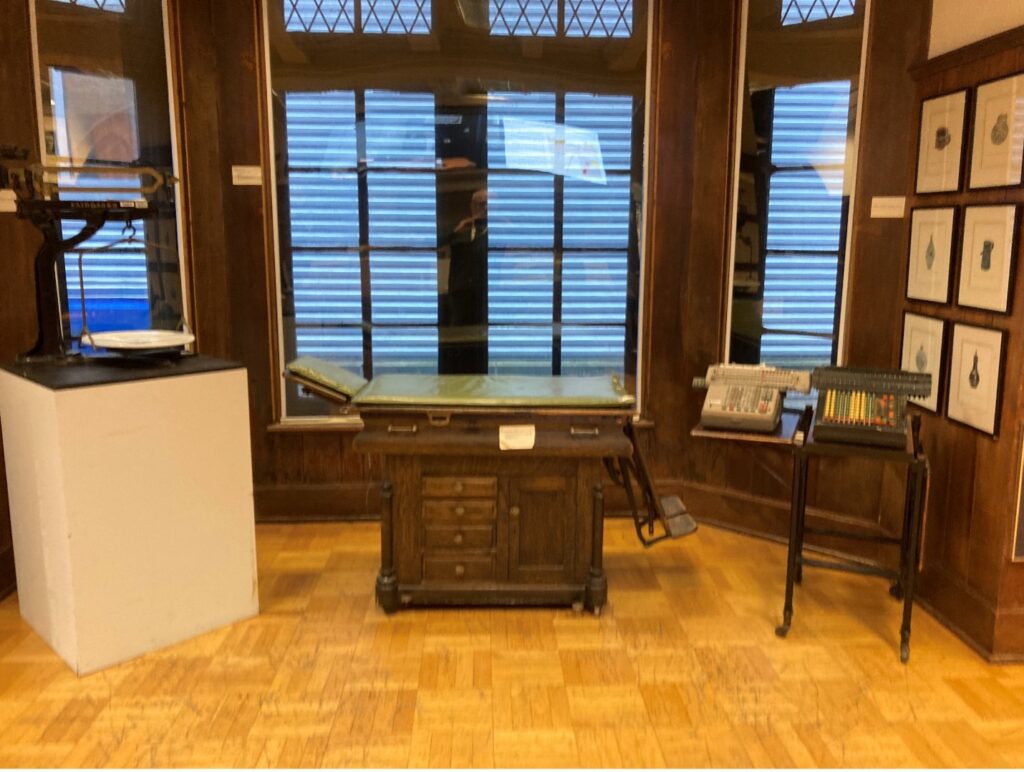
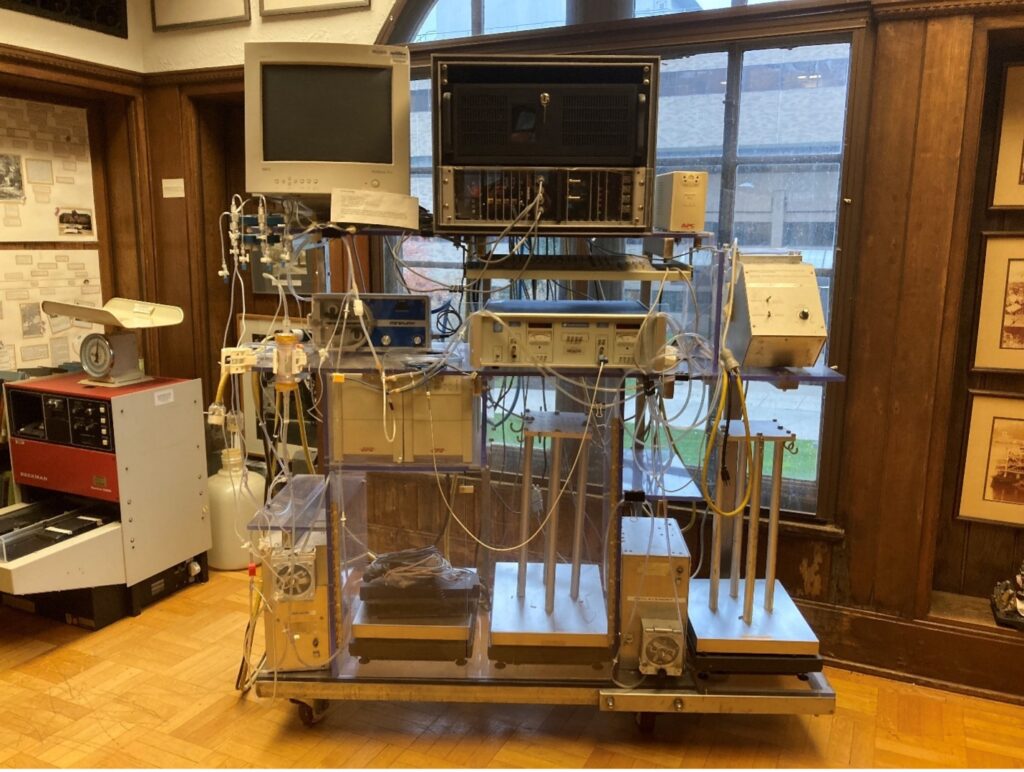
To prepare for the installation, I had to move all artifacts including some small bookcases, away from the windows. One snag that I ran into was moving a large, wheeled rack of hemofiltration equipment. The rubber on the wheels had deteriorated (it had been sitting in the sun since 2012!) to the point of breaking off in chunks so our Facilities team had to use a pallet jack to move it. Luckily, they will be able to replace the wheels when time permits. Once everything was moved, Environmental Services came in to clean the windows and window coverings and vacuum the sills. The next day, the vendor came to apply the UV film on all 15 window coverings. Another snag that happened is with the largest pane that was actually plexiglass which required a different type of substrate that the crew didn’t have. Thankfully, the material arrived and it was successfully applied. The next day Facilities came back to reinstall the covers and I put the room back together. In all, it took five days to complete the project.
Exterior of the Children’s Hospital Research Foundation and Clinic Building, 2013Close-up of deterioration of wheelWindow before cleaning and UV film applicationPatient histories showing direct UV damage to the bindings of the volumesPlexiglass covers removed from the original windows to prepare for cleaningEnvironmental Services team cleaning windows and window coversPlexiglass cover being cleanedPlexiglass cover with UV film appliedTreated windowsHemofiltration equipment rack. The wheels had deteriorated to the point where a pallet jack was needed to move it away from the window
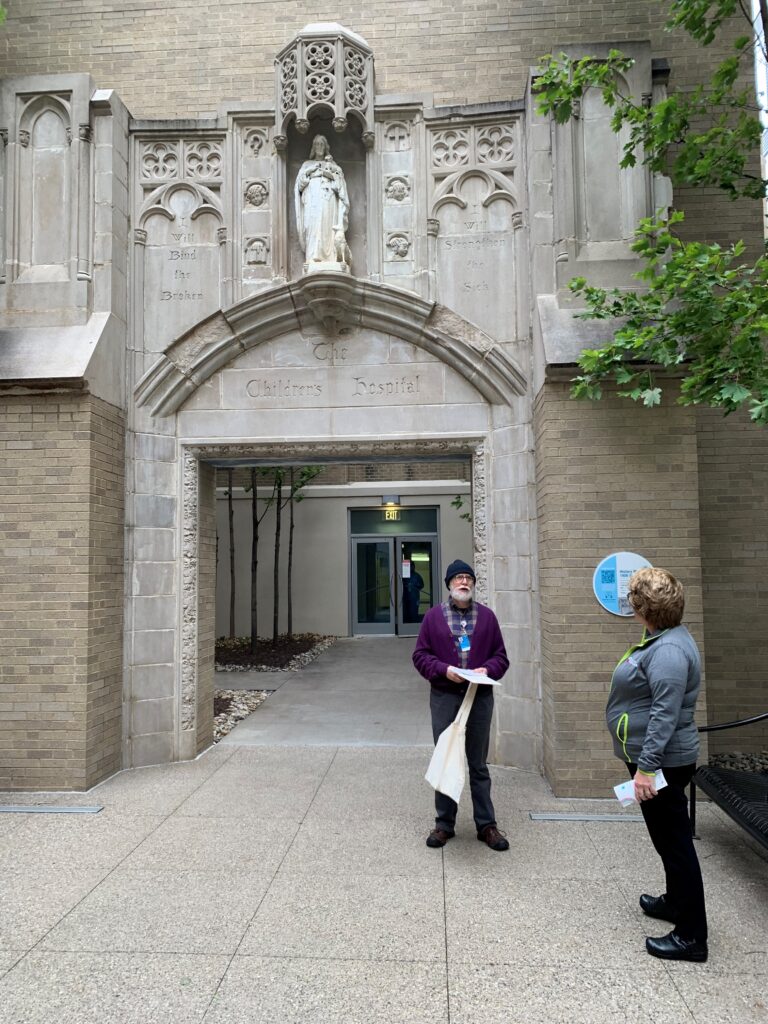
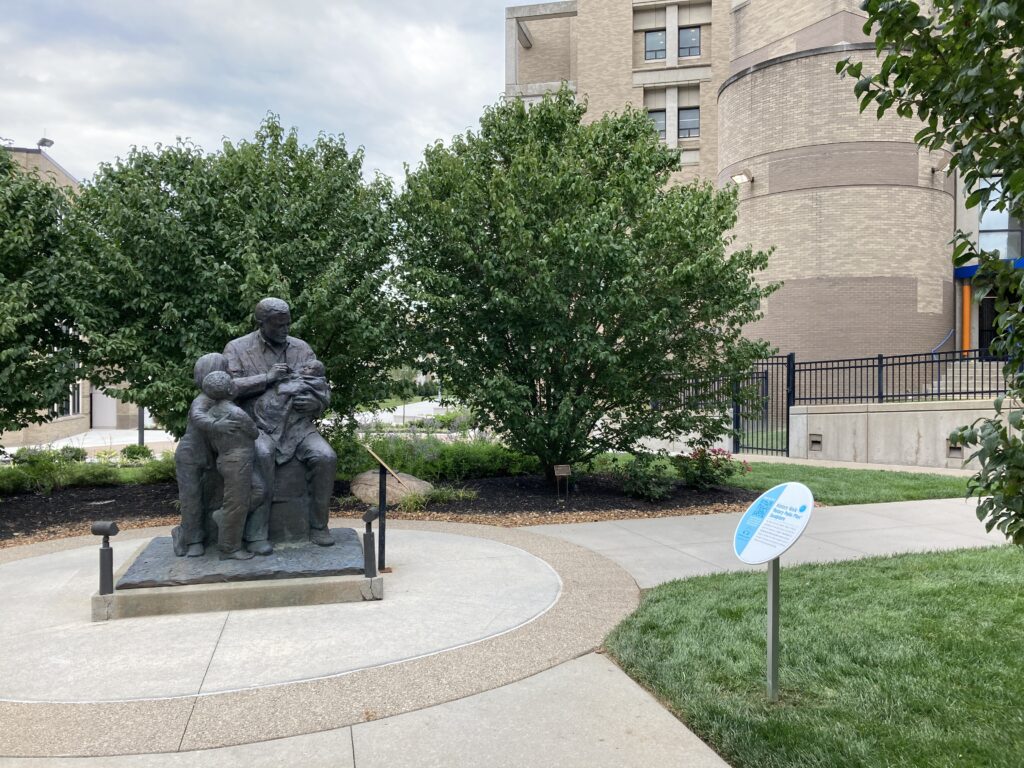
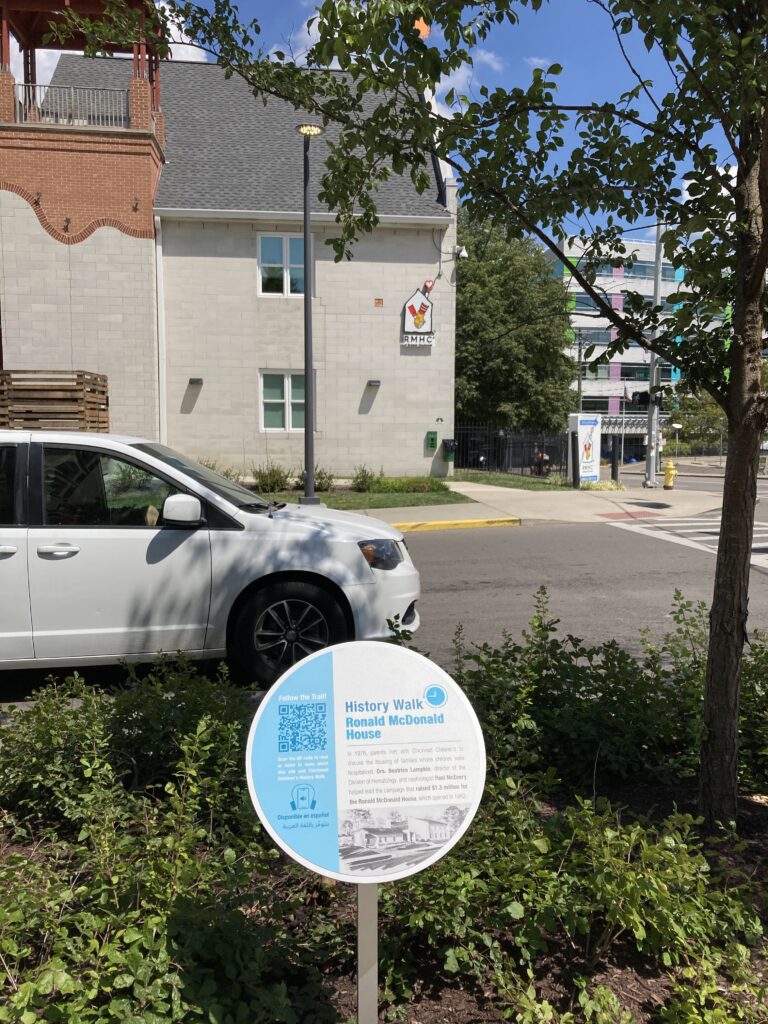
The Cincinnati Children’s History Walk for the Burnet Campus launched on October 10, 2024, bringing to life decades of work of thousands of employees who have positioned us to be the leader in child health.
Laura Werts, Pratt Library director, was inspired after learning about the Boston Children’s Hospital History Trail from their archivist in 2019. Laura brought the idea to the History Committee and Kevin Proffitt, Archivist at the time began research into developing a history walk here.
As the first full time Archivist, I was able to devote more time to planning and outreach across multiple departments to ensure a successful outcome.
Over 20 employees were involved, and they came from Design-Construction-Space Management, Marketing and Communications, Creative Services, Language Access Services.
Early on, we also aimed to make the experience inclusive–in line with our DEI commitment. We engaged Diversity, Equity and Inclusion, Employee Resource Groups, Family Relations and the Family Advisory Council to make it accessible to those with mobility challenges and available in the three languages–English, Spanish and Arabic.
The walk features 14 stops for employees. You can download a PDF of the map in the three languages from History Walk. It is also printed in English and available at the Welcome Desks and Family Resource Center. You can begin the walk at any point but if you want to follow the map route, it starts at Seacrest Studio in Location D.
Each marker has a QR code which takes you to the stop on the History Walk website. You have the option to listen to narration in English, Spanish and Arabic. Maps in all three languages are available as PDF’s.
For more information about the Cincinnati Children’s Archives, please visit our website.
Jim DaMico, Cincinnati Children’s Archivist leading a tour groupRotary Polio Plus SculptureRonald McDonald HouseEntrance to The Children’s Hospital Research Foundation and Clinic Building
Submitted By: Jim DaMico, Archivist, Cincinnati Children’s
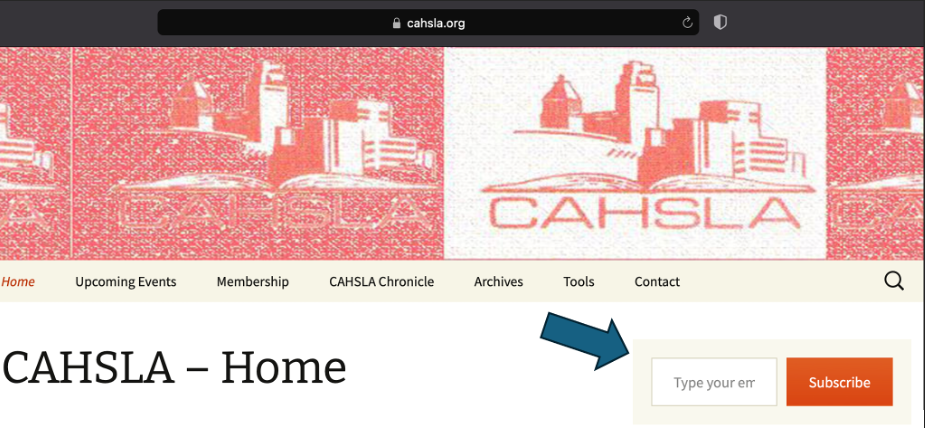
We have heard over the years from numerous members that our CAHSLA listserv emails are not always received. We will continue to send all updates via email, but new this year, we are providing several other ways to receive CAHSLA updates:
Subscribe to receive CAHSLA Chronicle updates directly from our webpage. From any page on our website, enter your email into the Subscribe box in the right column: Be sure to confirm your subscription from the email you receive.
The 10th annual UC Data Day was held Oct 8th. The keynote on FAIR (findable, accessible, interoperable, and reusable) data was given by Kira Bradford, co-principal investigator and collaborator with the National Institutes of Health (NIH) HEAL Data Stewardship Group.